
Why Every Power Engineer Needs to Understand Cyber Security

Updated: Jun 26
When you think of power engineering, you might picture transmission towers, substations, renewable energy projects, batteries, protection systems or control rooms. Cyber security may not be the first thing that comes to mind. But in today’s energy sector, the physical power system and the digital world are deeply connected. That means the engineers designing, operating and maintaining the grid also need to understand how to keep it secure.
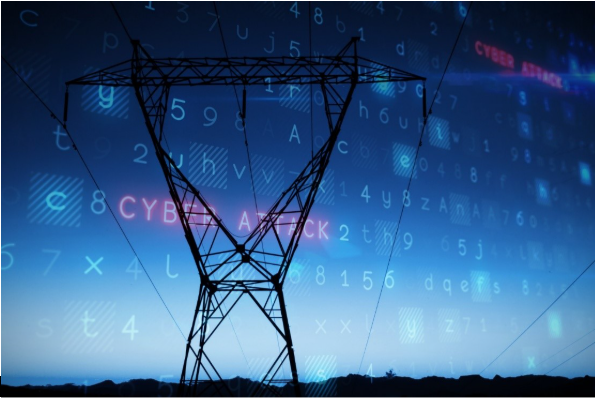
Modern power systems rely on data, automation and communication. From smart meters and distributed energy resources to control systems, remote monitoring, market platforms and grid-forming inverters, almost every part of the sector now depends on digital technology. These tools help the system run more efficiently, integrate renewable energy and respond faster to changing demand. But they also create new risks. If a digital system is disrupted, manipulated or taken offline, the impact can extend beyond a computer screen. It can affect reliability, safety, customers and essential services.
This is why cyber security is no longer “just an IT issue”. For power engineers, it is becoming a core part of engineering judgement. A secure system is not only one that works under normal conditions. It is one that can withstand faults, attacks, human error and unexpected events. The Australian Energy Sector Cyber Security Framework, developed through collaboration between AEMO, the Australian Cyber Security Centre, government and energy organisations, reflects how seriously the sector is treating cyber resilience.
For undergraduates, this does not mean you need to become a cyber security specialist overnight. It means building awareness early. When you are learning about protection, control, communications, power electronics or asset management, start asking: how is this system connected? Who can access it? What happens if the data is wrong? What if communications fail? How would we detect a problem? How would we recover?
These questions are especially important as the grid becomes more decentralised and dynamic. Rooftop solar, batteries, electric vehicles, virtual power plants and large renewable projects all increase the number of devices interacting with the system. More connection points can create more flexibility, but also more complexity. Future power engineers will need to work across disciplines, alongside cyber specialists, software developers, data analysts, operators, planners and policy teams.

Understanding cyber security also makes you more employable. Employers are looking for graduates who can think beyond the technical calculation and understand the wider system. A power engineer who understands both engineering fundamentals and cyber risk can contribute to safer designs, smarter operations and stronger resilience.
The energy transition is not only about building more infrastructure. It is about building systems that are reliable, secure and trusted. Cyber security is part of that future. Whether you work in networks, generation, consulting, operations, markets or emerging technologies, cyber awareness will help you become a better engineer and a more valuable contributor to the power sector.
Where to learn more
Students interested in this topic can start with the Australian Energy Sector Cyber Security Framework, which provides energy-sector-specific resources and guidance for understanding cyber maturity and resilience. The Australian Cyber Security Centre also provides guidance on operational technology environments, which is particularly relevant for power systems, control rooms, substations and critical infrastructure.


Comments